Key Takeaways Hydropower converts moving water into electricity by directing water through turbines connected to generators, using flow and elevation to produce steady power. Output depends on natural water cycles...
Prices from EIA, checked October 2026 If you heat with gas, here's a question that can sneak up on you in February: "I've got a gas furnace. Why did my...
Key Takeaways Electricity demand is rising fast driven by artificial intelligence, data centers, and digital systems, which is forcing major changes in how power gets produced and delivered. Virtual Power...
Figures from EIA 2025 data unless noted Maybe you've looked at a "100% renewable" plan and wondered whether it includes nuclear. It's a fair question, because nuclear's carbon-free and runs...
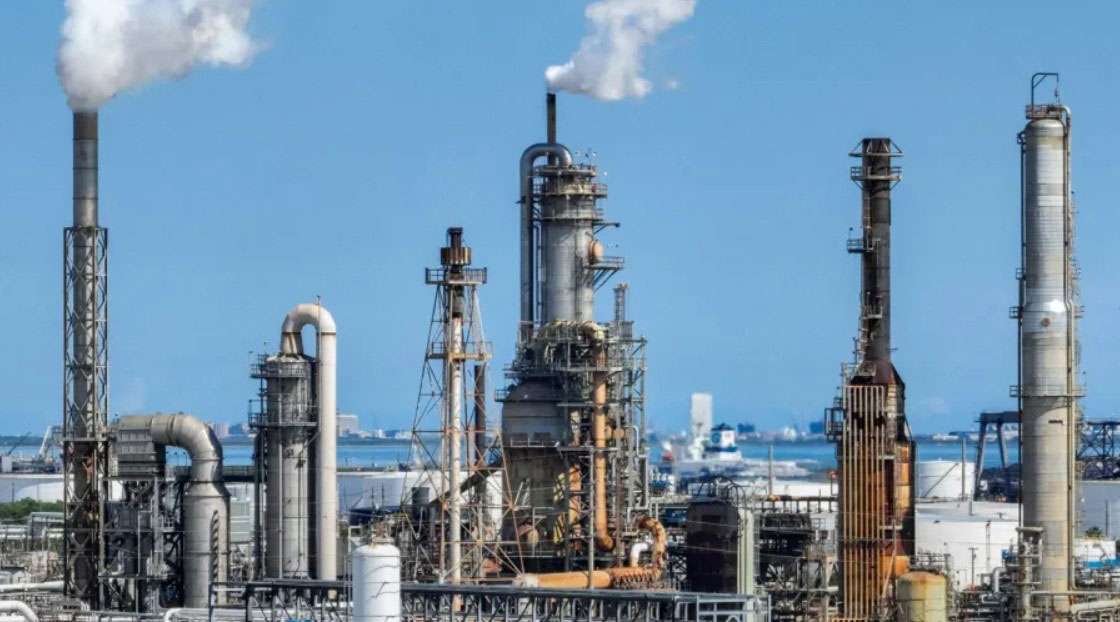
Key Takeaways Oil is central to global energy, mostly as a transportation fuel; its role in electricity generation in the U.S. is minimal. Refining transforms crude oil into gasoline and...
Key Takeaways Nuclear fission powers modern nuclear energy. Reactors split heavy atoms such as uranium or plutonium, release heat, produce steam, drive turbines, and generate electricity for power grids. Nuclear...
Key Takeaways Geothermal energy uses Earth’s internal heat. Heat from radioactive decay and planetary formation rises toward the surface, forming reservoirs of steam and hot water used for electricity, heating,...
Key Takeaways Texas has transformed into a national solar powerhouse, moving from small pilot projects to gigawatt-scale solar farms that now power over 5.1 million homes. Solar energy is strengthening...
Key Takeaways Solar energy installation costs have fallen by about 80% over the last two decades Solar LCOE (Levelized Cost of Energy) typically ranges 3.8–7.8¢ per kWh, often undercutting fossil...
Key Takeaways Wind energy is a clean and renewable source of power—capturing the natural movement of air with modern wind turbines to generate electricity. There are two main types of...